Bringing Indian Classical Music to Slovenia
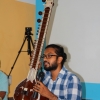
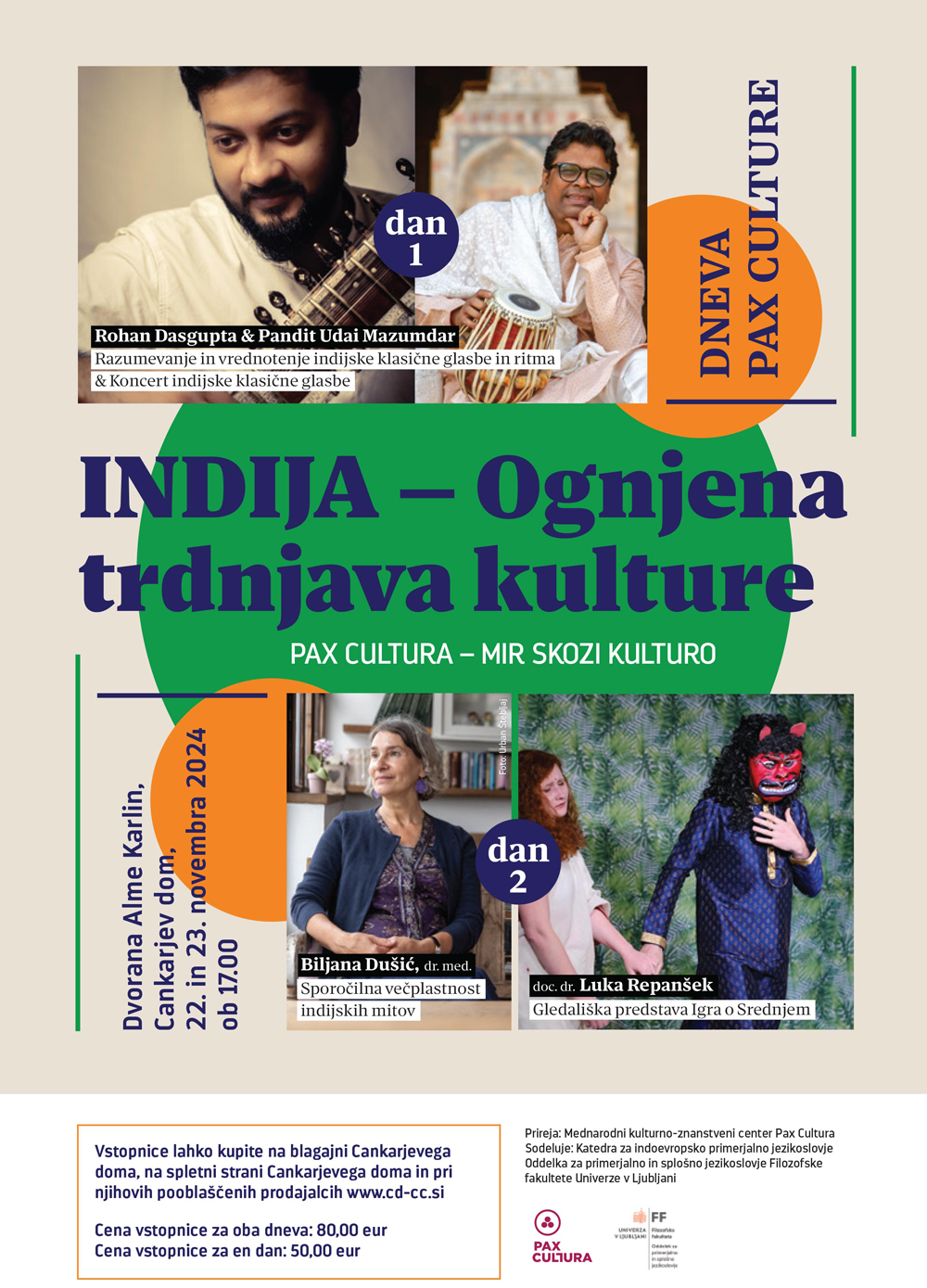
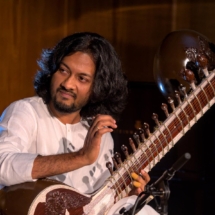
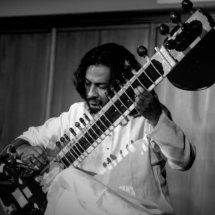
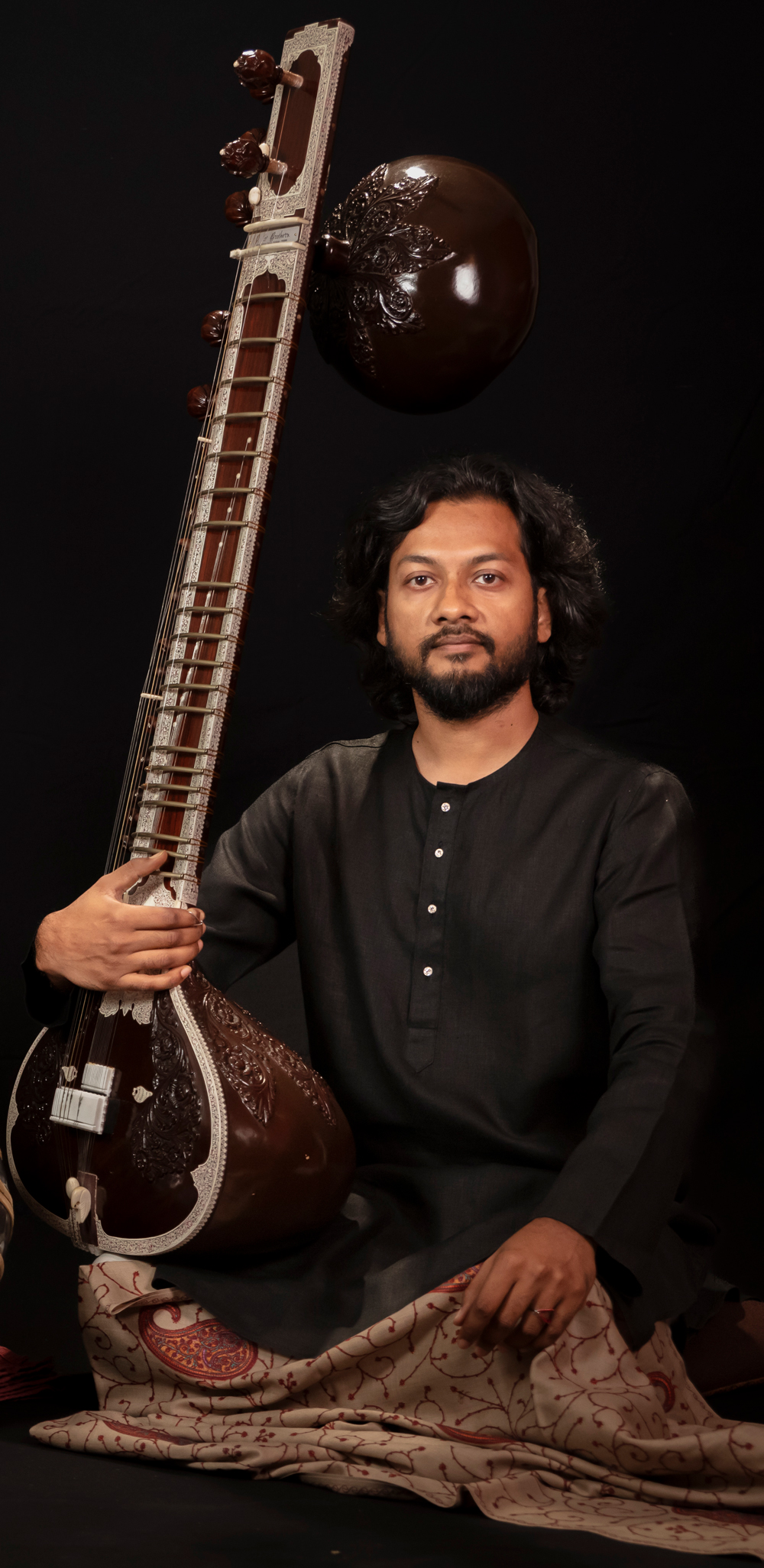 As a resident artist and self-employed in cultural as an instrumentalist, Rohan Dasgupta has been contributing to the Slovenian artistic space for several years, with the aim of creating a meaningful platform for Indian classical music in Slovenia.
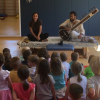
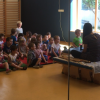
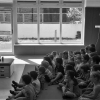
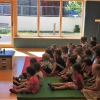
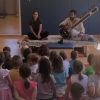
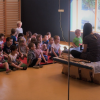
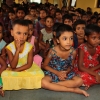
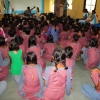
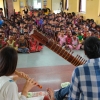
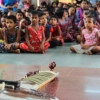
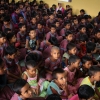
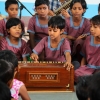
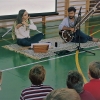
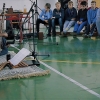
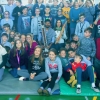
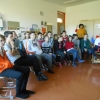
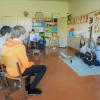
His work spans multiple layers of engagement: from lecture-demonstrations in Slovenian primary and secondary schools, in collaboration with Glasbena Mladina and several music schools across the country, to privately organized educational sessions designed to bring new audiences closer to the richness of this centuries-old art form.
Rohan has performed at major cultural festivals and venues in Slovenia, including the Nova Gorica Early Music Festival, Lent Festival, Cankarjev dom, and the Ljubljana Philharmonic, where his performances received warm appreciation from diverse audiences.
Beyond the stage, Rohan has also been featured in interviews with Slovenian radio channels such as VAL 202, Radio Študent, and others, sharing insights on Indian classical music and its relevance in today’s world.
Listen to the interview with VAL202
He has actively collaborated with institutions such as the Ljubljana Municipality, the Indian Embassy in Slovenia, and Pax Cultura, co-creating concerts and inviting renowned Indian musicians to present their art for Slovenian listeners. These initiatives have contributed to a growing intercultural dialogue and exposure to Indian classical traditions within Slovenia’s vibrant music scene.
In addition, Rohan shares his knowledge through private sitar and Indian music lessons in Slovenia, nurturing a small but dedicated group of students with methodical care and guidance.
Collaboration is central to his journey. Over the years, Rohan has performed alongside respected Slovenian artists such as Sabina Svilak, Boštjan Gombač, Žiga Golob, and Borut Žerdoner, creating meaningful cross-cultural connections through music.
With humility and dedication, Rohan continues to build bridges between Indian and Slovenian culture, enriching Slovenia’s artistic landscape with the depth, improvisation, and meditative beauty of Indian classical music.
1. CHILDREN'S AND YOUTH PROGRAMS FOR KINDERGARDENS AND ELEMENTARY SCHOOLS
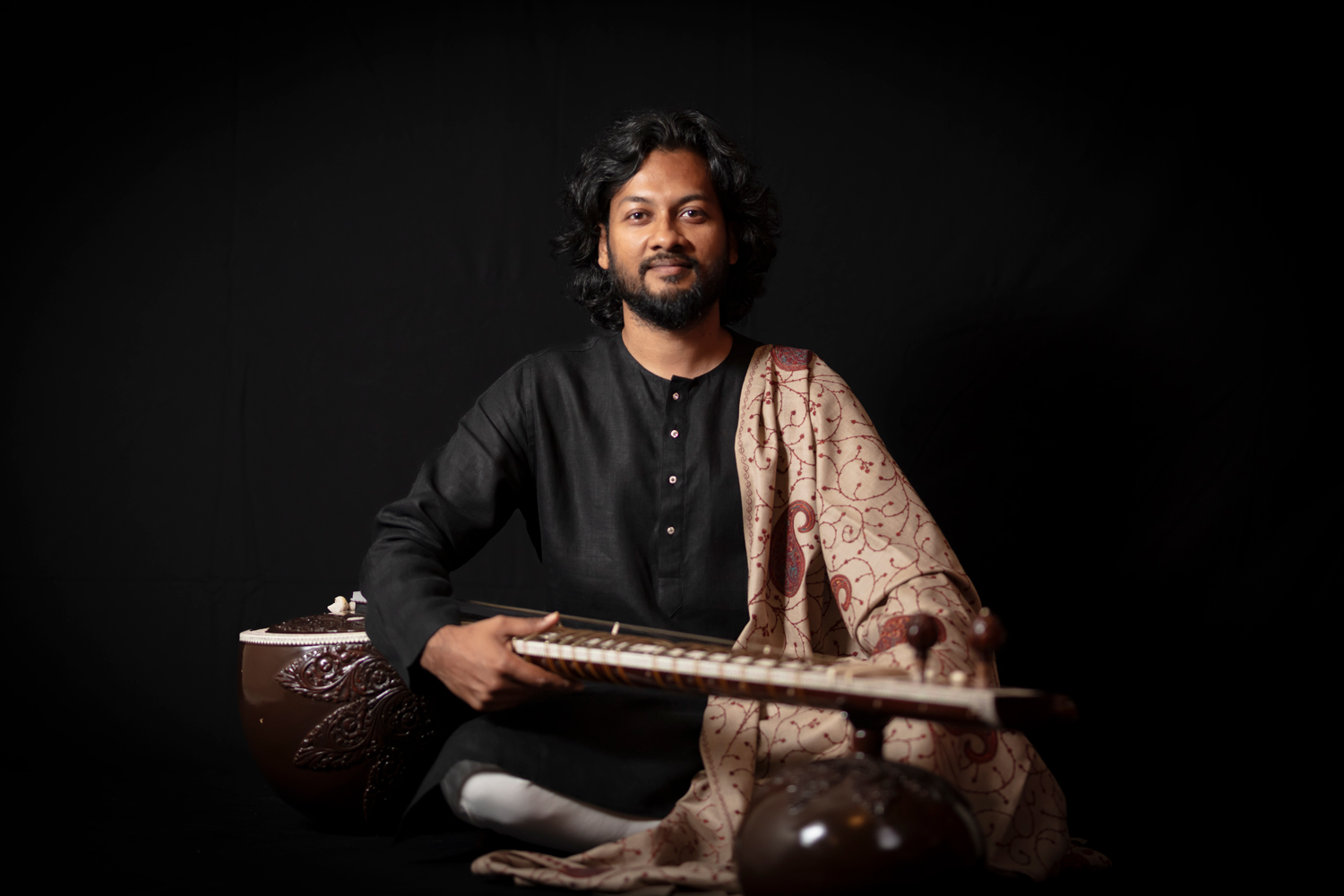 Through music programs for children and youth take on a journey to distant India to learn about its wonderful music and the tradition while listening to Indian instruments live!
In this interactive workshop, students embark on a colorful musical journey across India, discovering its rich traditions through music, stories, and art. With an interactive map, they explore how geography shapes instruments, festivals, and local sounds.
Through short stories, the musician explains how Indian melodies reflect seasons, emotions, and celebrations, before bringing them to life in a live sitar performance of ragas. Alongside, he introduces the sitar itself—its structure, sound, and role in Indian classical music.
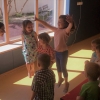
Students then dive into tala, the rhythmic system, by clapping and counting cycles, uncovering links between rhythm, symmetry, and math. A taste of folk music highlights how everyday life and language differ from classical traditions.
The workshop closes with creative participation: students paint or draw their response to the music, try simple vocal patterns, and experiment with rhythms. A final Q&A opens space for reflection and curiosity.
2. IMPROVISATION IN INDIAN CLASSICAL MUSIC FOR MUSICIANS AND MUSIC SCHOOLS AND INSTITUTIONS
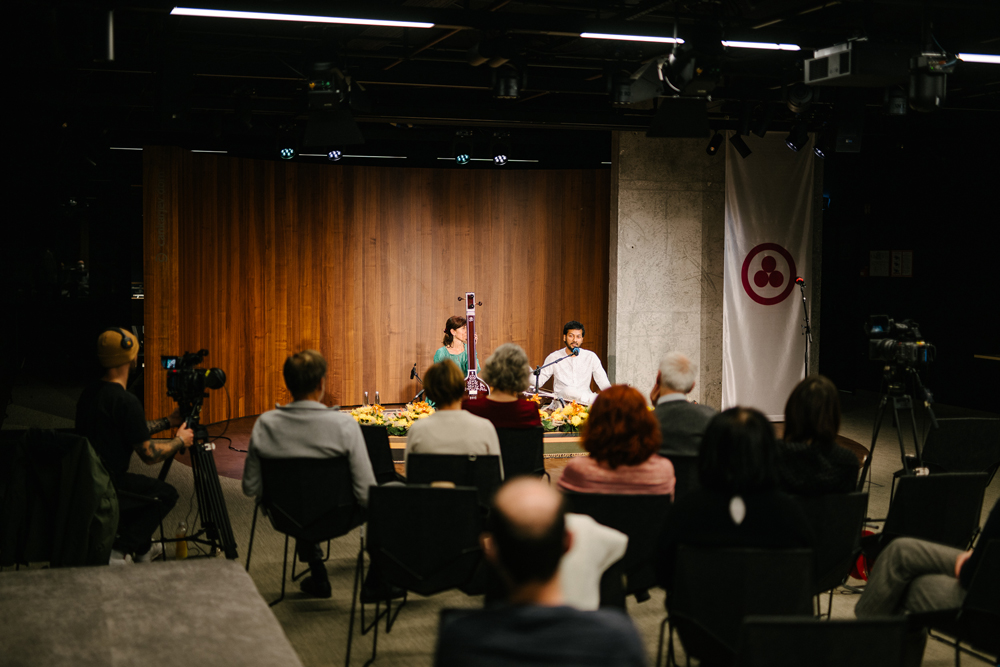 Indian Classical Music (ICM) is one of the world’s most ancient and profound musical traditions. Its ability to endure, evolve, and remain relevant across centuries stems from its immense melodic and rhythmic depth, embodied in the systems of Raga and Tala.
At the heart of this tradition lies the art of improvisation—a sophisticated balance between freedom and discipline, between intuition and structure. Far from being spontaneous in the ordinary sense, improvisation in ICM is a deeply codified process that nurtures and channels the artist’s creative instincts through an evolved musical framework.
This form of music is entirely built around the central concepts of melody and rhythm, with each performance offering a unique expression of the artist’s inner sensibility, yet always guided by tradition and structure. The creative process is thus infinitely free, yet methodically grounded, allowing the artist to explore within a well-defined system (gaurdrail).
A pedagogical analysis of this tradition reveals several layers of improvisational thinking and expression, each rooted in a nuanced understanding of the musical grammar, aesthetic, and philosophy that defines ICM.
This lecture-demonstration focuses on the following core processes and perspectives to help learners, listeners, and practitioners engage more deeply with the nature of improvisation in Indian classical music
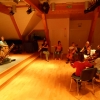
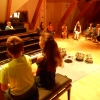
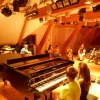
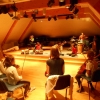
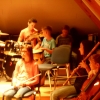
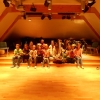
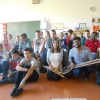
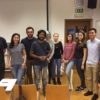
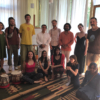
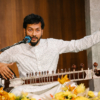
Past event - Autumn 2024 concert
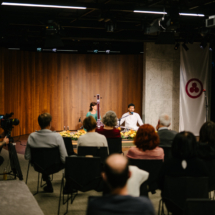
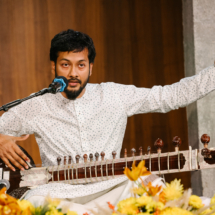
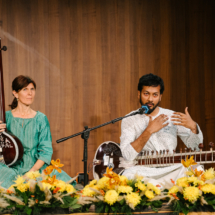
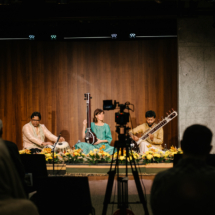
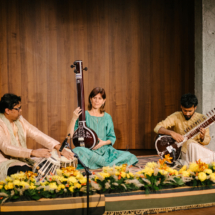
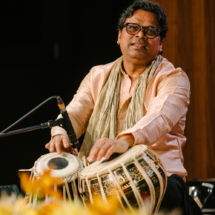
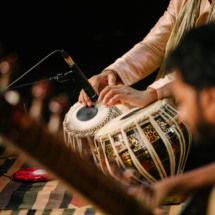
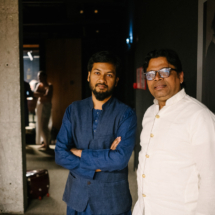
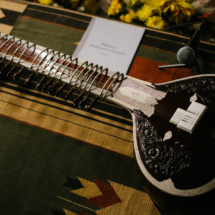
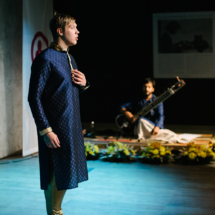
Past event - Spring 2024 concert
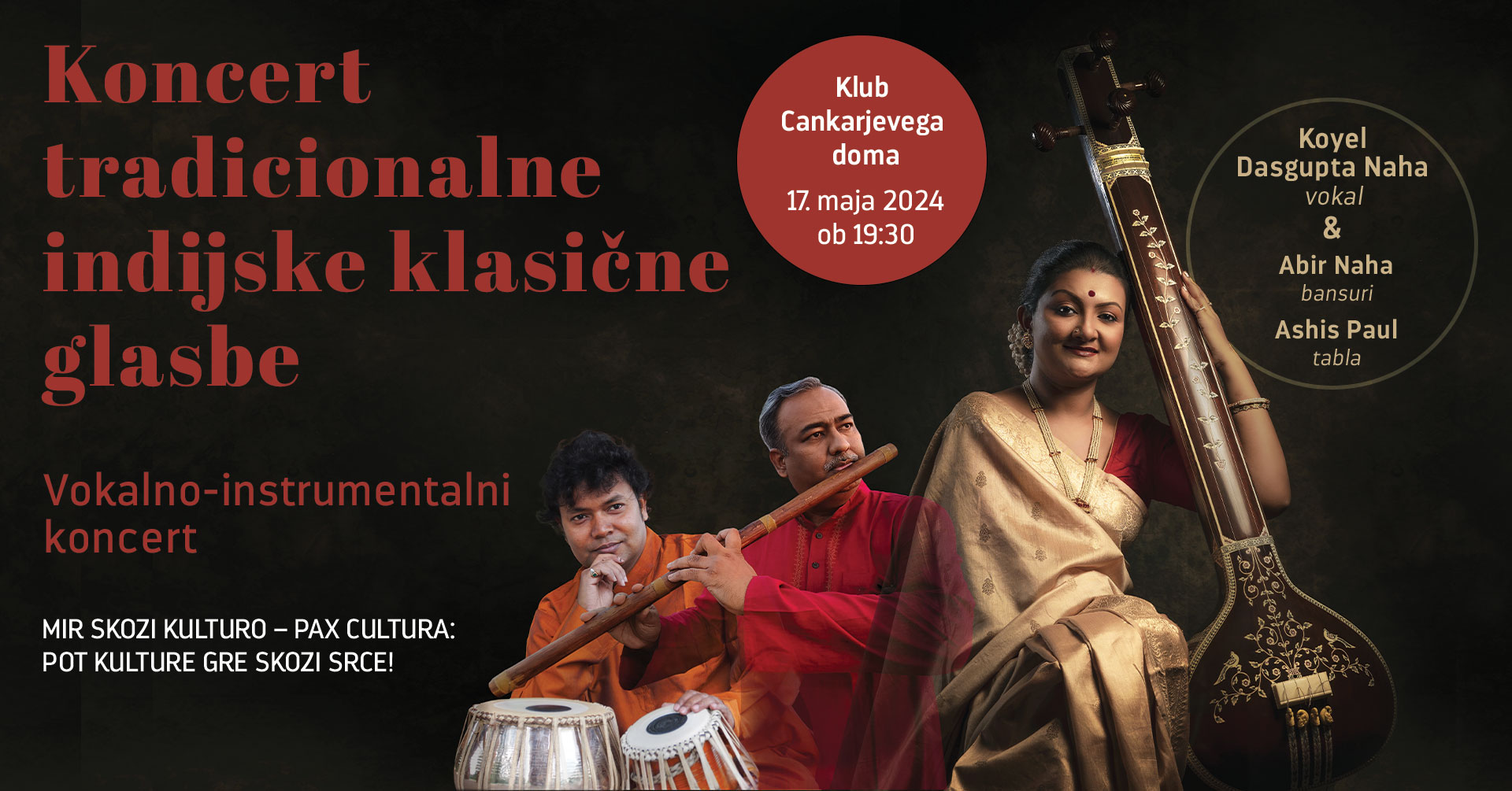
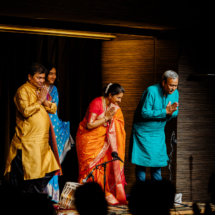
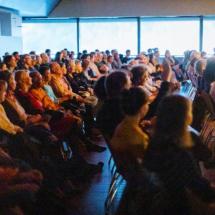
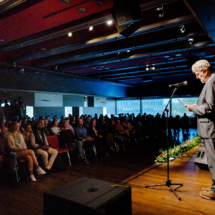
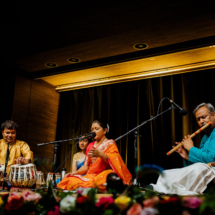
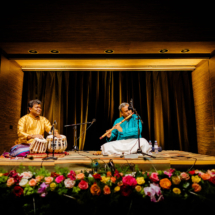
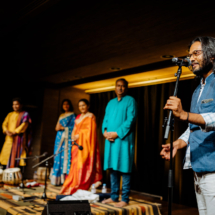
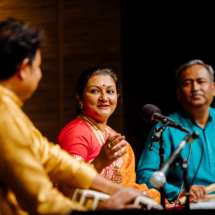
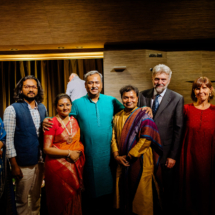
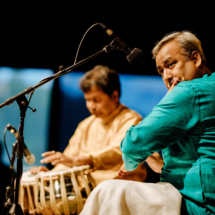
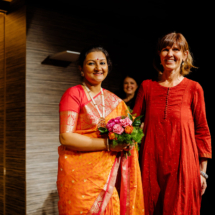
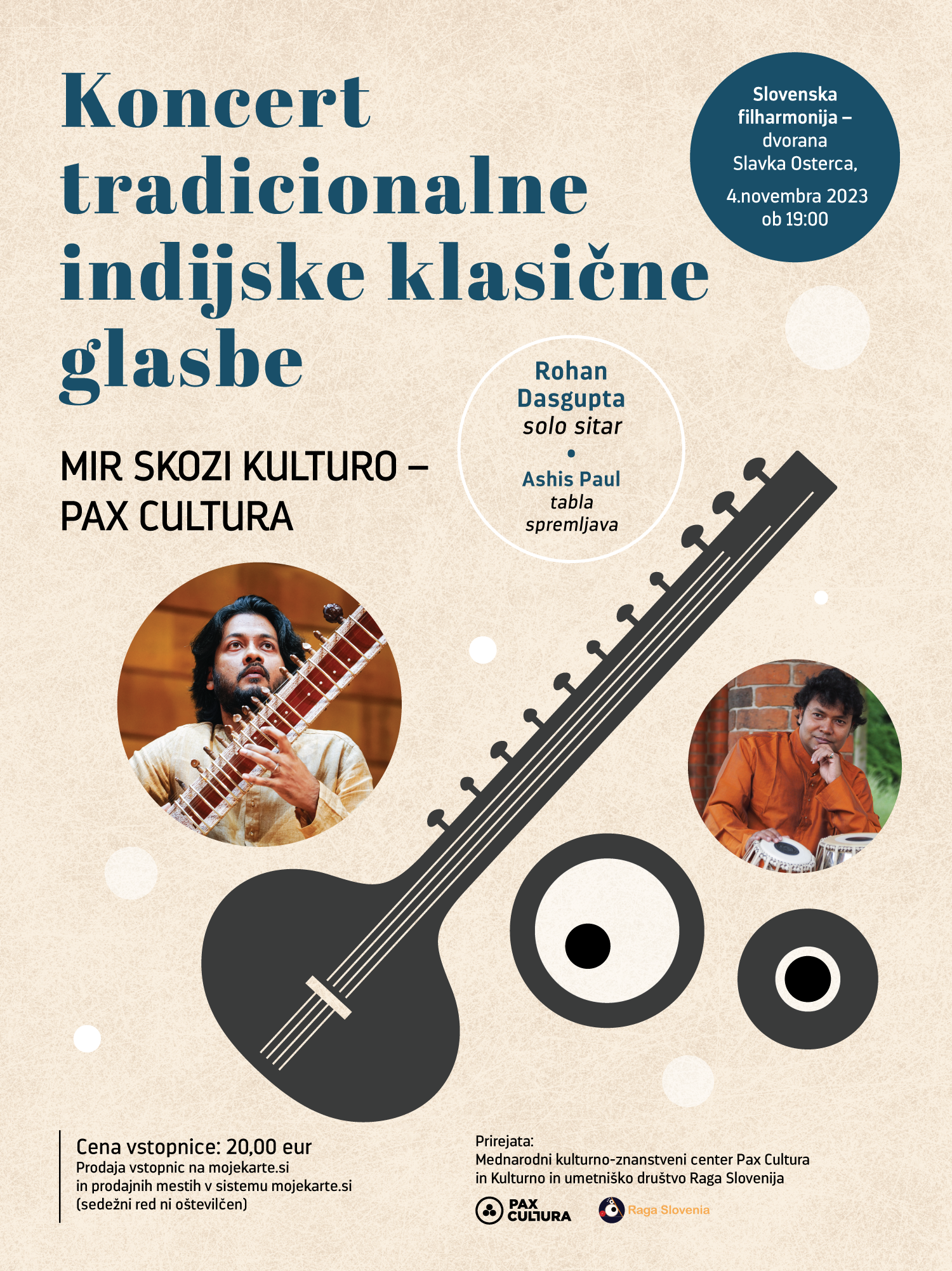
Past event - Autumn 2023 concert
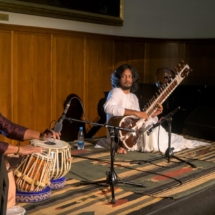
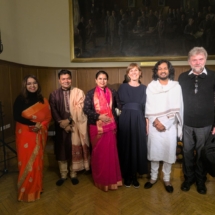
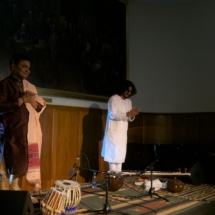
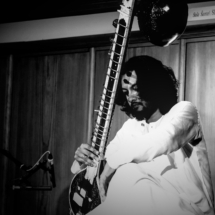
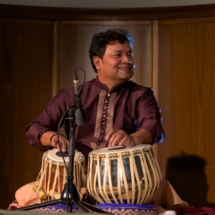
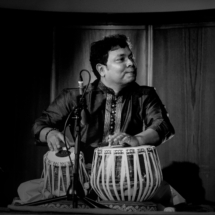
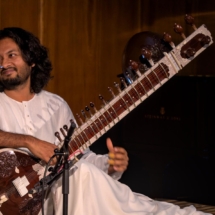
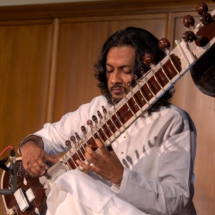
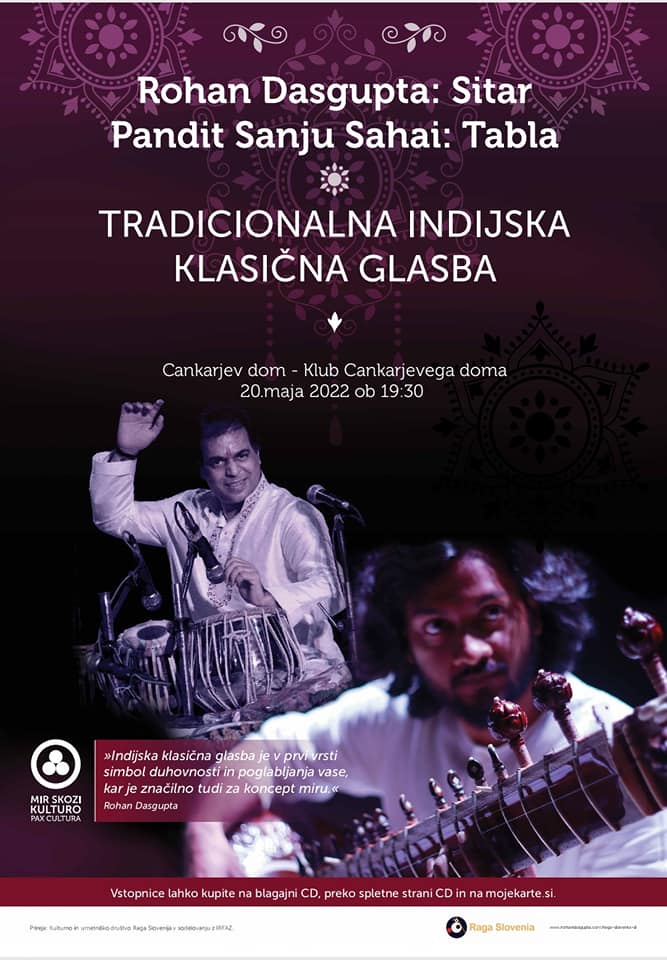
Past event - Spring 2022 concert
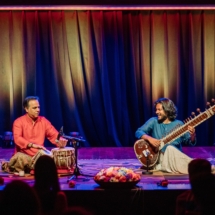
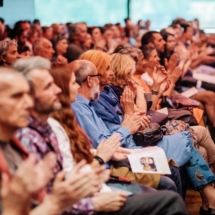
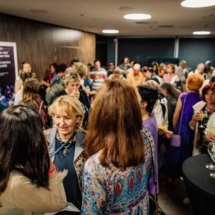
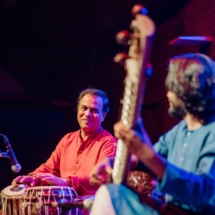
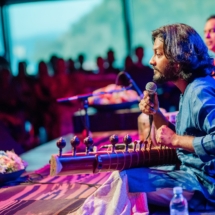
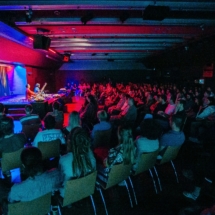
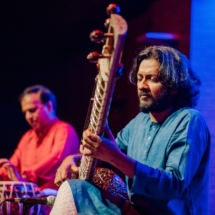
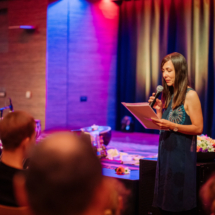
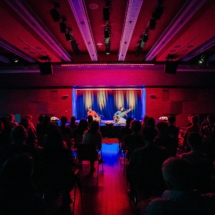
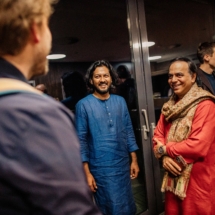
Past event - Spring 2019 concert
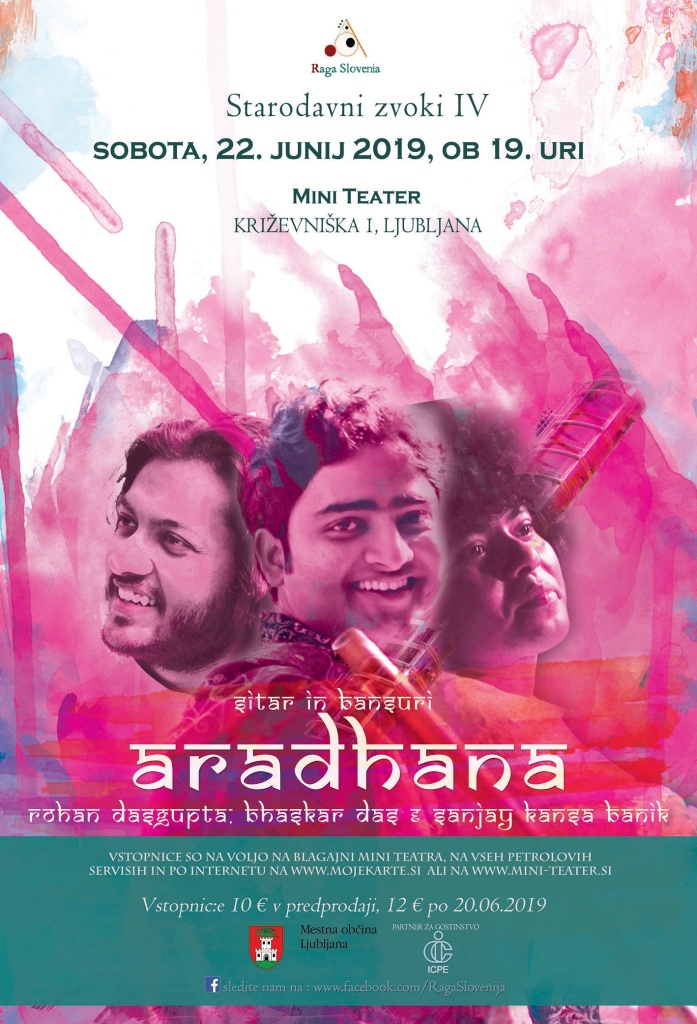
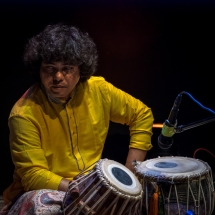
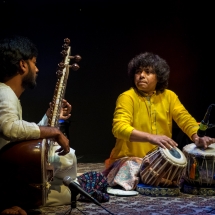
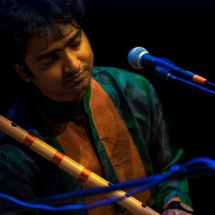
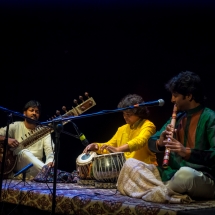
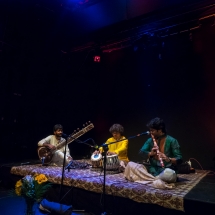
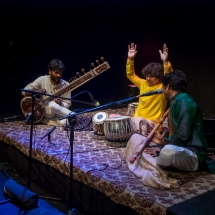
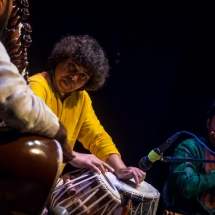
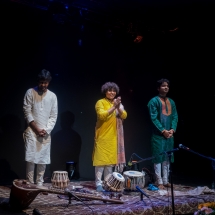
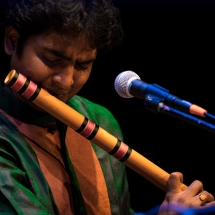
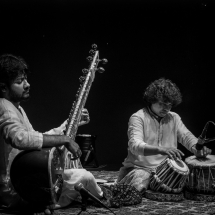
Photo : Banjamin Tome
Past event 2018 Autumn
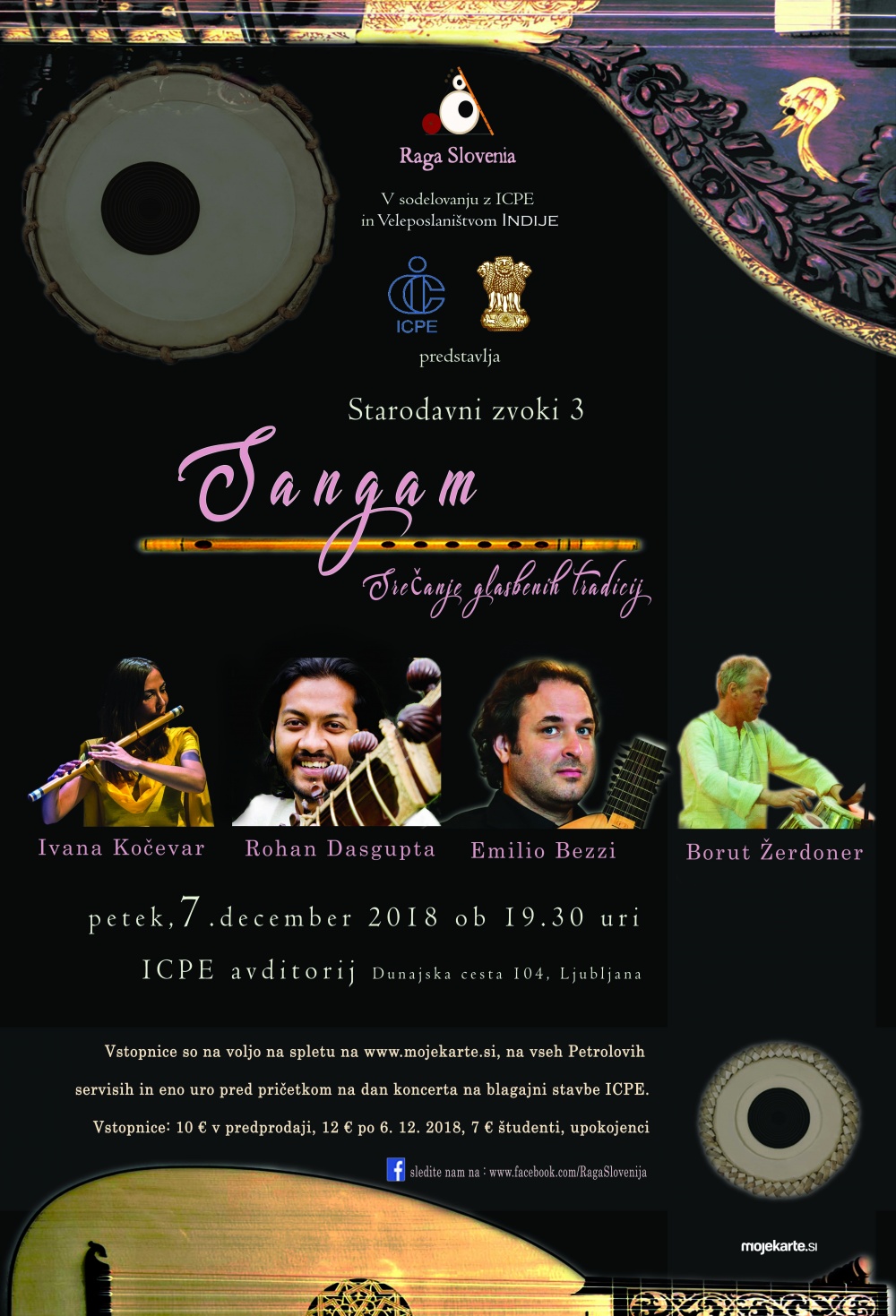
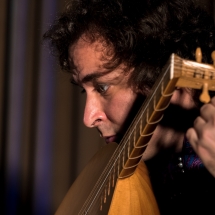
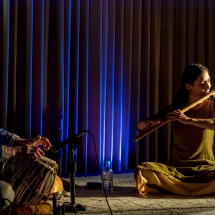
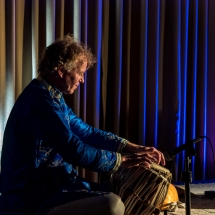
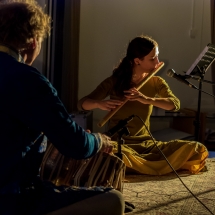
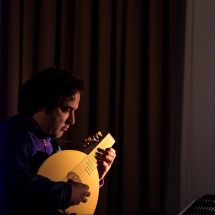
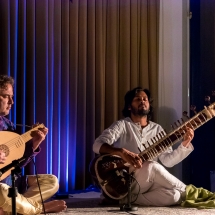
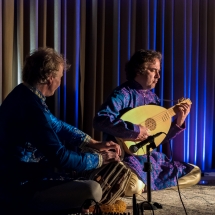
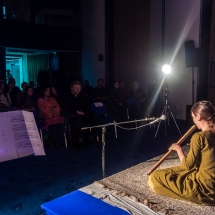
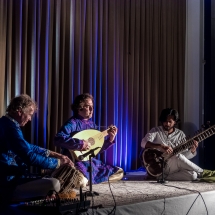
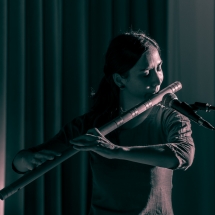
Photo : Banjamin Tome
Past event 2018 Summer
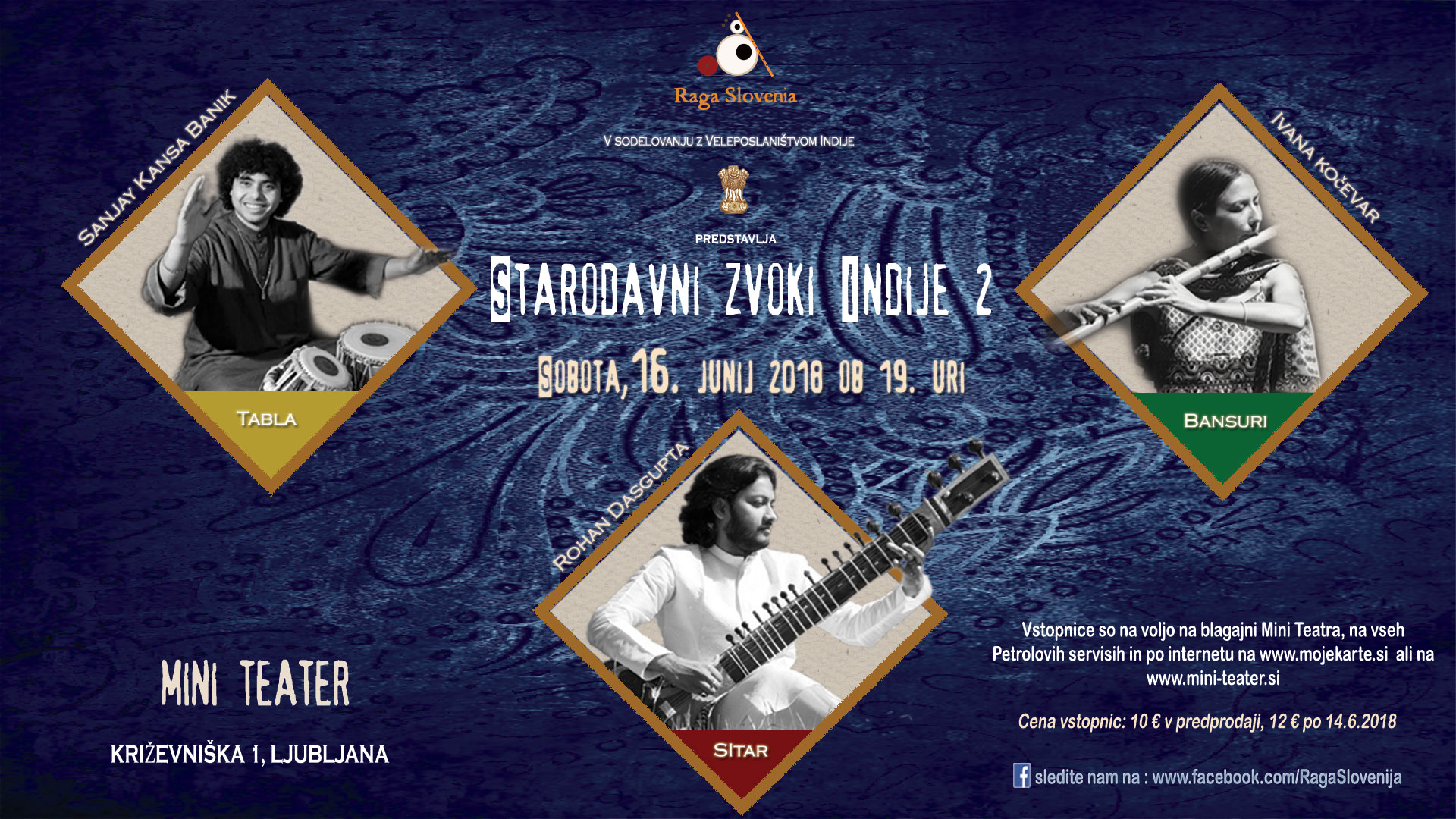
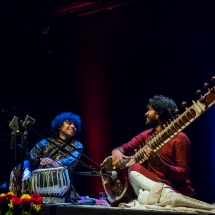
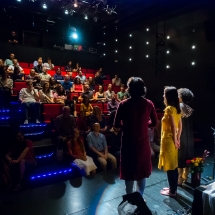
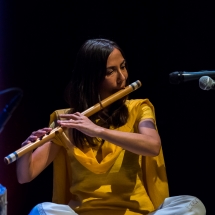
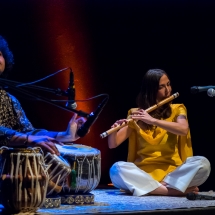
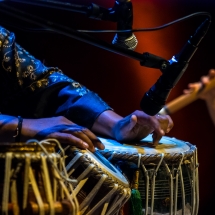
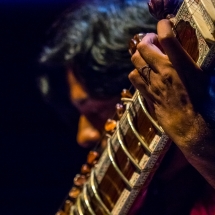
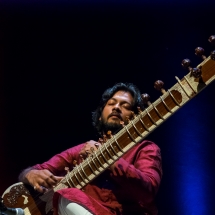
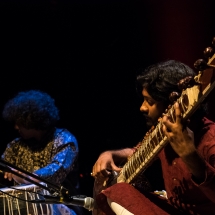
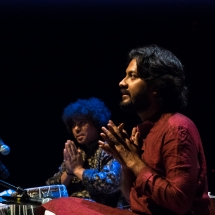
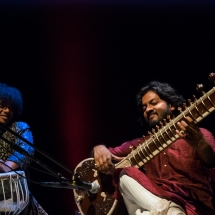
Photo : Banjamin Tome
Past event 2017 Autumn
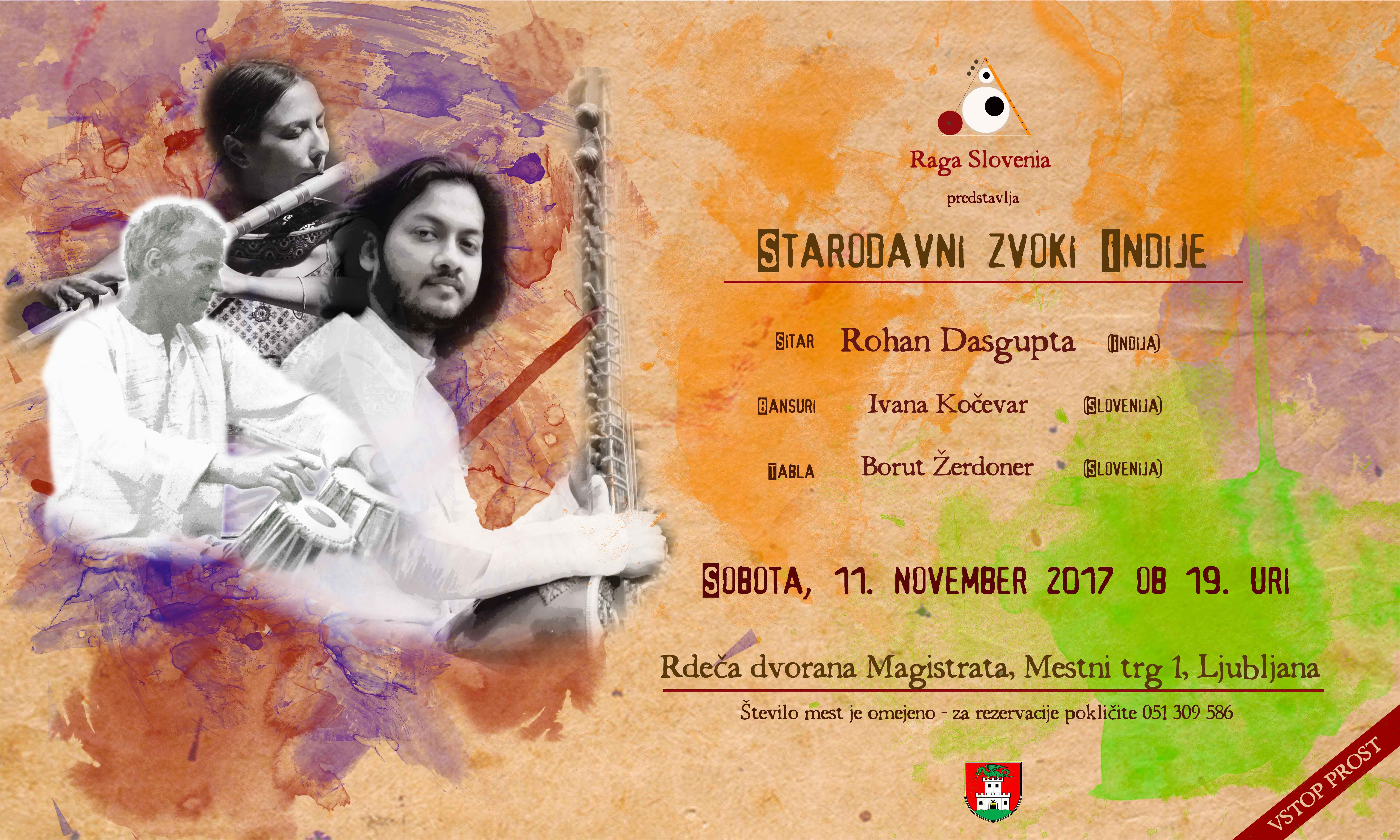
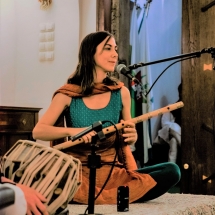
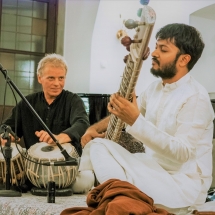
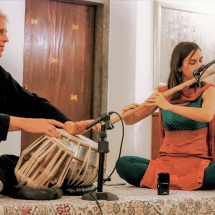
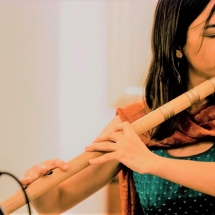
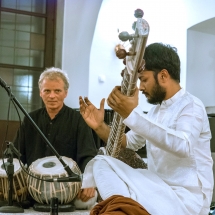
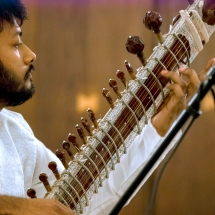
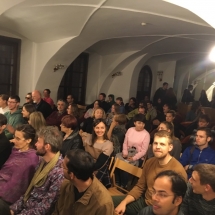
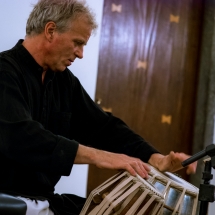
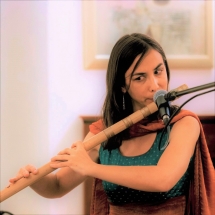
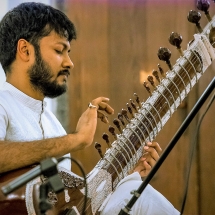
Photo : Banjamin Tome